
Given the attack on global multilateralism; withdrawal from the rule of law at national and global level; the rise of privatisation and commodification of nature; the growing inequality within and between countries; wars and exacerbated security risks; the massive damage to the climate, water and biodiversity systems; and the rise of the governance by default by technologies such as AI; I believe it is time for a global Constitution. Our current global institutions are post-World War II institutions, and they serve their creators, but not necessarily everyone in the world, or the changing challenges of the 21st century. A global Constitution does not imply a global government, but a new global social contract that revisits our relationship with each other and with the natural system. In my view, it consists of a set of justice principles, not detailed rules, by which we all try to live by. Such justice principles can be used to redesign the economic, social, earth system, legal and technological systems.
How can such a draft global Constitution acquire legitimacy? Such legitimacy can come from scientific research and input legitimacy. We are four scholars – working on the legal, financial, technological and environmental systems. And for input legitimacy, we are inviting anyone above the age of 10 to send us (globalconstitution.org) an essay (500-1000 words) on the kind of world they want to live in and the principles and ideals they hold dear. The ideas in the essays will also be further researched by us, and the contributors will become contributing authors to the draft global Constitution. We already have 100 contributing authors, and we are hoping to multiply this number many times over.
This is an academic project – in other words, we are working towards a desirable draft global Constitution, even if not feasible. We want a bottom-up process involving all countries, all religions and all peoples. We believe that the current global order has reached a crises mode; and that many middle and smaller powers are searching for a shared future, even if the larger and/or more powerful countries seek to assert a unilateral authority on others. The history of Constitutions shows that Constitutions are often born when a terrible era ends and a new one starts. We cross 1.5ºC in 2-3 years; three species go extinct every hour; our air, water and soil is polluted exposing the more than 1 billion underprivileged people worldwide to health and livelihood risks; and we stand at the brink of the launch of large scale AI use which can undermine democracy, science and the environment unless we are able to preemptively govern it. A global Constitution offers us hope for the future. We are anticipating a growing demand for such a Constitution and if that demand comes, we will have done some of the groundwork for it. Join us in this endeavour!
Written by Prof. dr. J. (Joyeeta) Gupta of the University of Amsterdam

Related
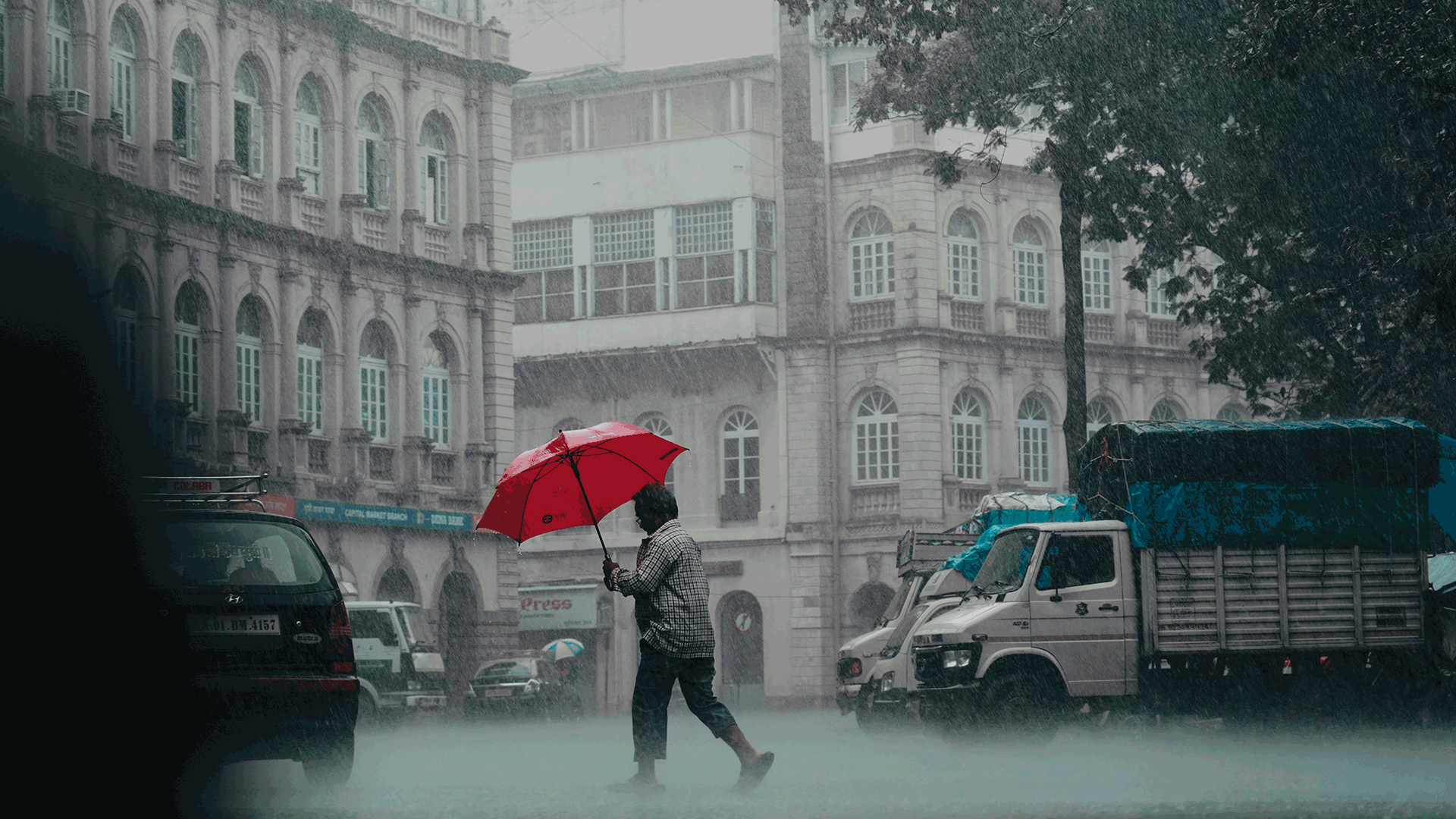
Mumbai Metropolitan Region – A Fast-Growing Hub of Economic Opportunities and Climate Vulnerabilities
The Mumbai Metropolitan Region (MMR), spanning 6,3...

Subscribe to our Newsletter
Join ICC's monthly newsletter and read more about uplifting climate narratives, innovative solutions, and other updates.
